
Jacob got shot in the thigh by a rubber bullet outside the immigration detention center,
I say to the water.
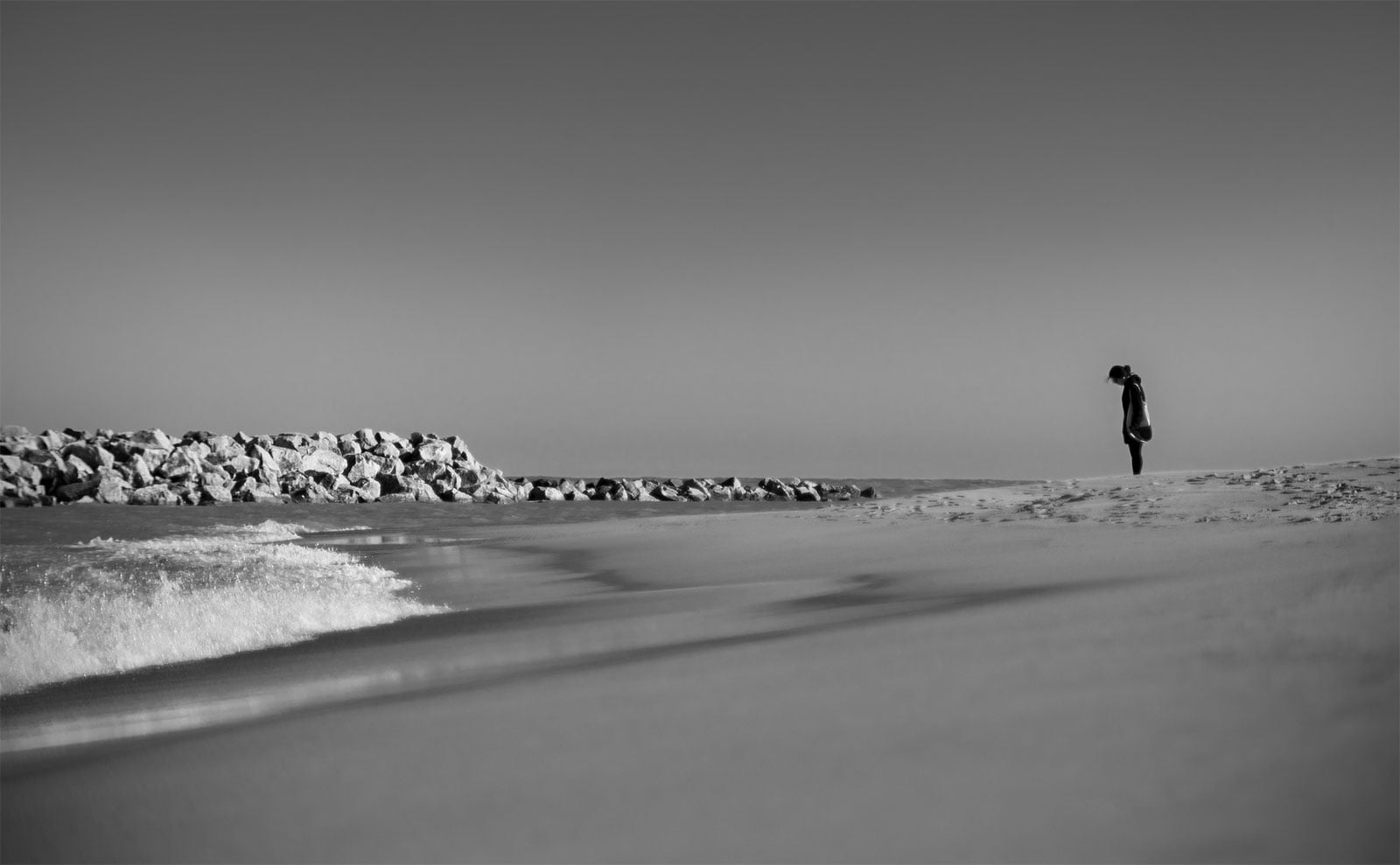
Because someone trustworthy said, go to the shoreline to tell what needs to be told.
Your wide current draws everything out. Only you have listening big enough to hold all the hope we can’t afford.
He was there,
I say,
for his best friend, Hector, 20 years old with asylum from Venezuela, detained the day his work visa unexpectedly expired.
The worst in us kills the best in us,
I say,
and it’s not a metaphor.
The sting is leftover tear gas or your cold salt inside the wind.
I say,
if there is any justice most of us won’t see it, which begs the question if there is justice at all.
Faith is for the long game & we are here only a short while.
Three billion years of slurried waves & even you exist only between boiling points.
It’s possible I’ve kept myself so close to the easy grasp of land, I can no longer see the horizon of my heart.
There must be depths yet to plumb.
You have a center, swaying & indigo, we once emerged from: a place so far out, there are no edges to beat against,
where I can say
I see us in our wholeness and cry, cry, cry.
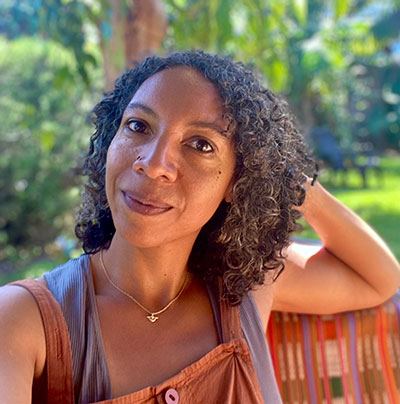 Lisbeth White is an enchantivist writer based in the Pacific Northwest. She is the author of American Sycamore (Perugia Press, 2022) and A Most Natural Thing: An Elemental Memoir (Red Mare Press, 2025), and co-editor of Poetry as Spellcasting: Poems, Essays, and Prompts for Manifesting Liberation and Reclaiming Power (North Atlantic Books, 2023).
And read other Letters to America online or in Dear America: Letters of Hope, Habitat, Defiance, and Democracy, published in partnership with Trinity University Press.
Header photo by Ted Erski, courtesy Pixabay.