
Some people will say our water war is all about fish versus farmers…. But that’s just reductionist theory.
I live at an intersection of disaster. It’s the convergence of the Sacramento and the San Joaquin Rivers, the San Francisco and Suisun Bays. The water arrives from the heights of three mountain ranges, and ends in a veiny network of riverine highways that fan across a delta, emptying just east of the Pacific Ocean and my home in San Francisco.
The meeting of these waterways is not itself the disaster—that comes from their junction with politics, regulations, and fat checkbooks. You see, the Sacramento-San Joaquin Delta is not just an integral part of an ecosystem (the largest estuary on the coast)—it’s also the cornerstone of California’s great plumbing system. In explaining water distribution in California, people often use the example of an hour glass—most of the rain and snow falls in the northern part of the state, the top of the hour glass, and then the water funnels through the narrow middle, which is the Delta, before being pumped and prodded south to greater expanses.
Through engineering feats of mammoth proportions, the Delta has become the tap for hundreds of thousand of acres of irrigated agriculture in the desert and valleys of central and southern California, as well as cities and suburbs bloated by development. And here again is the disaster: There is simply not enough water to go around. What has ensued is a lot of finger-pointing, bullying, and of course the stiff-arming of the Delta’s ecological integrity. Some people will say our water war is all about fish versus farmers. Specifically one little endangered smelt against the economic engine of the state. But that’s just reductionist theory. California’s water crisis is much bigger. It’s as big as this country and much of the world.
Each and every day nearly a billion people don’t have enough safe water to drink. In 15 years that number is predicted to be a mind-boggling 3 billion. In the U.S. the situation is not so dire, but there’s ample reason to be concerned: 35 states are facing water shortage in the next five years. The Colorado River, the drinking fountain for seven states, is vastly over-allocated and if climate change reduces snowpack in the Rockies in the next 50 years as predicted, 30 million people in the U.S. are going to be mighty thirsty. The same scenario will play out in towns all over the West dependent on the Rockies or Sierras (or both, like Southern California).
But it doesn’t end there. The Plains States are dangerously depleting the vast aquifer beneath them—the Ogallala—which supplies not just drinking water for the region, but 30 percent of the water we use in this country for irrigated agriculture. In the Southeast, Atlanta went nearly bone dry in 2007 and smaller nearby towns had to truck in water. Florida, once a vast swamp, has now diked, dammed, and drained its way to water scarcity. And even the Midwest, sitting adjacent to one of the world’s largest freshwater reserves, may see levels in the Great Lakes diminish as temperatures increase. What precious water we won’t lose to drought we risk spoiling by pollution. Currently both Appalachia and the Northeast are battling the coal and gas industries for assaults on drinking water, and the Gulf of Mexico and the Chesapeake Bay are being choked by nitrogen pollution from farms and feedlots.
These problems are not just vast, they’re also multifaceted. Despite much of the media hype about a water war between fishermen and farmers in my state, for example, the water crisis is more complex. People may be outraged by water subsidies to agribusiness but just as unacceptable is the fact that many farmworkers don’t even have access to safe drinking water. Likewise in Atlanta during the 2007 drought, everyone blamed a lack of rain, but really the crisis was the inevitable outcome of ballooning growth with no thought to water conservation. When we look for solutions to our water crisis, we miss too much if we reduce it to the lowest common denominator. There are usually many factors at play like a lack of basic access to clean water and sanitation, the over-allocation of rivers, unchecked development and growing population, loopholes for corporate polluters, aging infrastructure, climate change, and privatization pressures.
 Tara Lohan has been working as an environmental journalist and editor for more than 15 years; she was a senior editor at AlterNet when this editorial was written. Her work has been published by The Nation, The American Prospect, Salon, High Country News, Grist, Adventure Journal, The Revelator, and others. She is the editor of two books on the global water crisis and is the author of the new book, Undammed: Freeing Rivers and Bringing Communities to Life (Island Press, 2025).
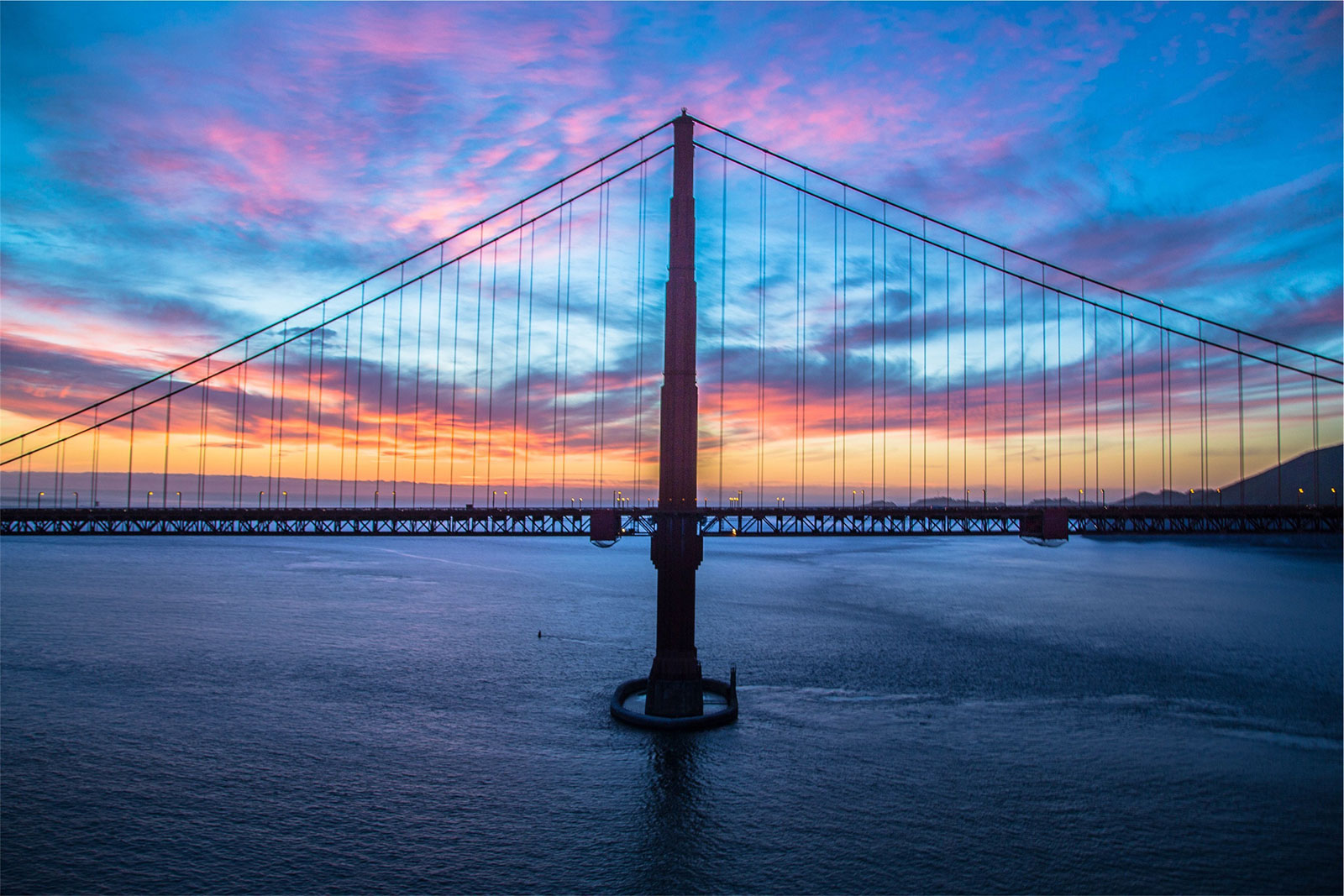
Header photo Golden Gate Bridge by StockSnap, courtesy Pixabay.