
commissioners back WDFW’s wildlife area closures plan
thirds of the Methow Wildlife Area this winter to protect mule deer. The commissioners met with biologists and wildlife area managers from the Washington Department of Fish and Wildlife (WDFW) on Nov. 7.
Okanogan County Commissioner Andy Hover also asked about other measures — including changes to hunting regulations — that could help protect the deer, whose numbers he’s seen drop since his childhood in the Methow. Hover said he’s been advocating winter closures for years to protect deer habitat, particularly since these lands were purchased to provide winter range.
The proposed closures cover 35,000 acres — about 55 square miles — from the Rendezvous to Carlton. The Methow Valley has the state’s largest migratory mule deer herd, according to WDFW.
WDFW land managers expect to issue a final decision on the closure later this week. After public feedback, WDFW shortened the closure period by two weeks in the spring — the new dates are from Dec. 15 through March 31, instead of April 15, Okanogan District Wildlife Biologist Scott Fitkin told the commissioners. The closures could be extended on an emergency basis if there’s a long. harsh winter.
Fitkin, WDFW Regional Director Brock Hoenes and Methow Wildlife Area Manager Brandon Troyer briefed the commissioners, who weren’t able to attend the public meeting WDFW held in Winthrop in September. Since that meeting, WDFW staff have received hundreds of public comments and surveys about the proposal, about half in favor of the closures and half opposed, Troyer told the commissioners.
The closures wouldn’t affect any groomed trails for skiing, snowshoeing or fat biking — including the Methow Trails network — but they encompass many areas where people create their own trails, Fitkin said. These areas include critical winter and early-spring range for the deer and, in many cases, the lands were purchased principally or partially to protect seasonal mule deer range. Because most of the wildlife area is at lower elevations where there’s less snow, it constitutes a crucial part of winter range, he said.
Since many people in the Methow view recreation as part of their identity, Fitkin said he’d anticipated that the closures would create some angst. Many in the public criticized WDFW’s proposal, saying it would cut off access to public lands that don’t require an expensive trail pass. WDFW strategically left a portion of each wildlife unit open so that people would still have access to state land, Fitkin said.
Deer in decline
Fitkin said he’s seen mule deer numbers decline in the nearly three decades he’s been conducting surveys in the Methow Valley. While the Methow’s mule deer are not in a dire state, trends are going the wrong way and could become critical if WDFW doesn’t manage proactively, he said.
In some areas, mule deer are less common because wildfires have damaged or killed their forage. The Fraser Creek and the Pipestone Canyon areas, which once had the highest winter densities of mule deer, burned in the 2014 Carlton Complex Fire, and that affected almost all of the shrub coverage the deer use. Although the areas are recovering, it’s a slow process and winter range is still at a temporary low, Fitkin said.
Multiple stresses on mule deer have been increasing. Human disturbance is a major component, and that’s not only from active recreation — it can simply be walking a dog, Fitkin said. Most winter recreation is off-trail, and that unpredictable use is what bothers deer the most, he said.
Pressure from recreation has grown steadily year-round in the valley. In the past decade, growth hasn’t been linear, but “parabolic,” Fitkin told the commissioners. Use of groomed ski trails has increased 300% in 10 years, but WDFW doesn’t have statistics for winter use of the wildlife areas. The increased use of groomed trails also pushes a lot of people to look for places to ski off-trail, Hover said.
Other stresses on deer include drought, higher temperatures and wildfire, which all increase the risks of disease, Fitkin said. Roadkill is a factor, but those numbers have become harder to track now that people are permitted to harvest deer killed by vehicle, although there is undeniably more traffic in the Methow, he said. Some habitat has been lost through conversion to development.
Deer are not only under pressure in the winter, but also in the spring, when people are anxious to get out as soon as the snow melts and head to wildlife areas, which are close to town, Fitkin said. The spring transition from winter forage to green shoots is when deer are most vulnerable, he said.
When deer are disturbed, the stress can affect their fertility and the survival rate of fawns. There are “mountains of data” about the impact of human disturbance on deer, Troyer said.
Monitoring
It’s essentially impossible to count deer on the landscape, and even generating an estimate is very difficult, because there’s so much land to cover, Fitkin said. WDFW doesn’t have the resources to get a large-enough sample for a good estimate, he said.
WDFW uses data from various sources to monitor the deer population, including the Washington Predator-Prey Project, which collared a small sample of deer. WDFW doesn’t have the budget to collar more deer this winter. If the closures are implemented, the agency will rely on cameras and other means to see how deer use the landscape, Fitkin said.
The best population estimate of mule deer is probably the general hunting season buck harvest, Fitkin said. Although that number has been trending down over the long term, it bounces around. While over the past 10 to 15 years, hunting numbers have been relatively stable, numbers have dropped since 2000, and even more since the last century, he said.
WDFW’s mission is to manage healthy, sustainable wildlife populations and biodiverse ecosystems for various aims. Mule deer are a foundational part of the local ecosystem and a critical food source for carnivores and scavengers. They’re the most popular watchable wildlife, Fitkin said.
Part of WDFW’s legislative mandate is to manage hunting. Mule deer are the most numerous and prized big-game species in Okanogan County, highly valued by the hunting constituency, Fitkin said.
Other measures
WDFW is also undertaking other efforts to improve deer health and survival. Fitkin is working on a recommendation to suspend all hunting of antlerless deer (does) in this district, since the herd can’t sustain those losses. At present, antlerless deer can only be hunted during archery season and by special groups, such as youths, seniors and the disabled.
Hover noted that the entire hunting season lasts about three months and asked if WDFW has thought of changing that. Fitkin agreed that’s “a long time to be pushing deer around.”
Many hunters are concerned that genetics in the Methow’s herd have been declining, Hover said. He suggested having tags specific to the east and west side of the Cascades, or for mule versus whitetail deer, to reduce the pressure on deer in the Methow.
Survey
In more than 400 responses to the survey about the proposed closure, answers split about 50/50 — one reason WDFW is trying to compromise, Troyer said. Respondents said they use public lands in many ways — primarily for skiing, snowshoeing and walking, followed by wildlife viewing and photography. About 55% of respondents value wildlife areas primarily for the habitat they provide, with the rest putting top value on recreation. The reasons people value wildlife areas were closely correlated with the respondent’s stance on the closure, Troyer said.
Some respondents questioned whether WDFW has sufficient data to support the closures and how they will monitor the effectiveness.
Areas proposed for closure
Proposed closures include virtually all of the Golden Doe area near Carlton, which is one of the higher-density areas for mule deer and was purchased explicitly for deer habitat, Fitkin said.
The Big Buck area
 This excerpt was originally published in On Resilience: Stories of Climate Adaptation Across Washington’s Landscapes, by Harriet Morgan and Lindsay Senechal, Washington Department of Fish and Wildlife (WDFW), and Writing the Land® poets. It is reprinted with permission of WDFW, Writing the Land, and the authors.
It is the third of four excerpts from the anthology.
On Resilience is a poetry anthology created in partnership with NatureCulture®’s Writing the Land program. The collection highlights how WDFW manages more than 1 million acres of land across Washington and documents the ways climate change is affecting ecosystems, including warming stream temperatures, shifting snowpack, increased wildfire risk, and changes in species’ seasonal patterns. Each section pairs place-based management summaries with poems inspired by specific wildlife areas, offering readers both a science-based understanding of how WDFW is adapting natural resource practices and a creative reflection on the connections between people, land, and climate.
 Subhaga Crystal Bacon is the author of five collections of poetry, including A Brief History of My Sex Life, forthcoming from Lily Poetry Review Books, and the Lambda Literary Award finalist Transitory, from BOA Editions (2023). A Queer elder, they live in rural Washington on unceded Methow land.
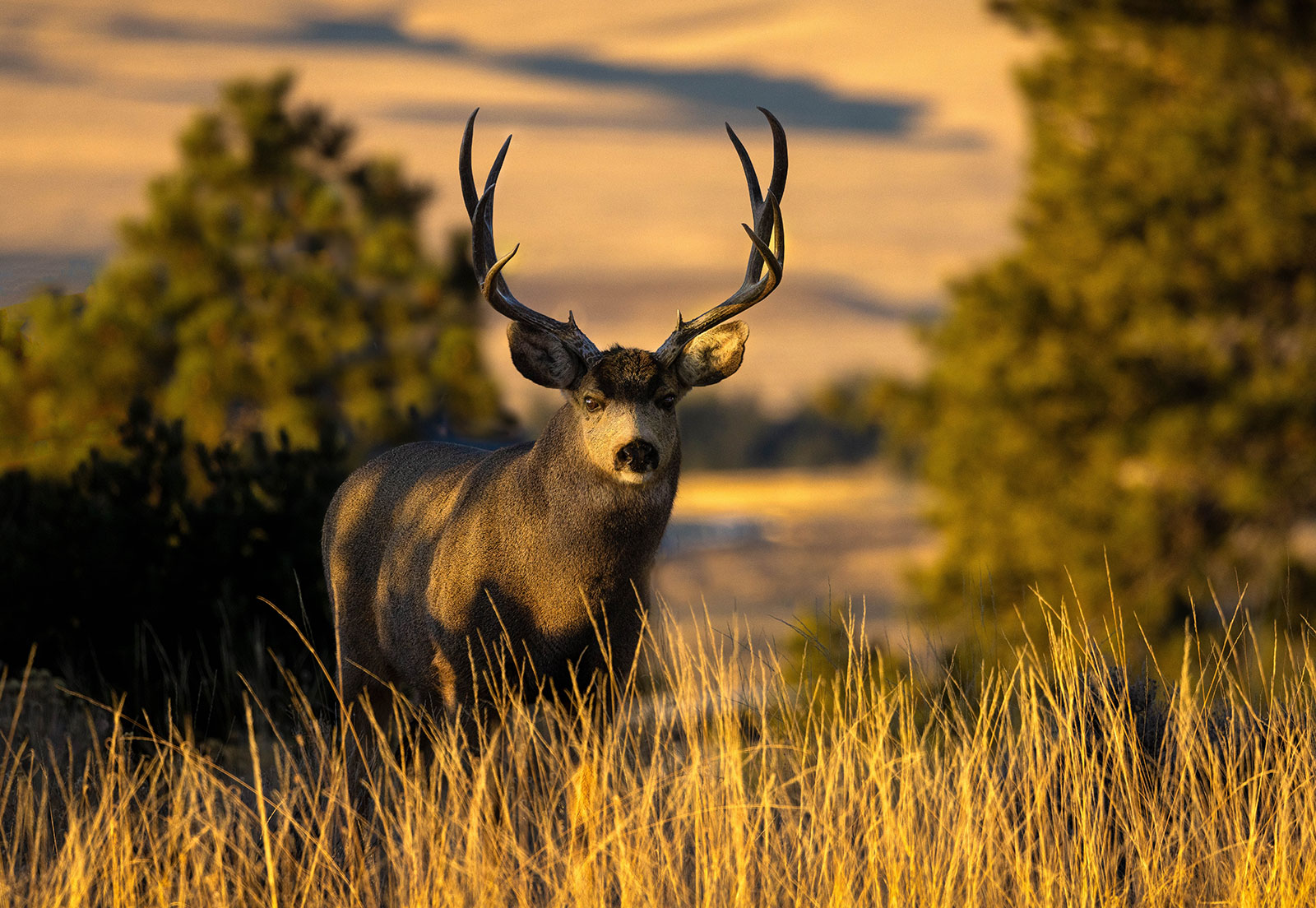
Header photo by John Boland, courtesy Shutterstock.